
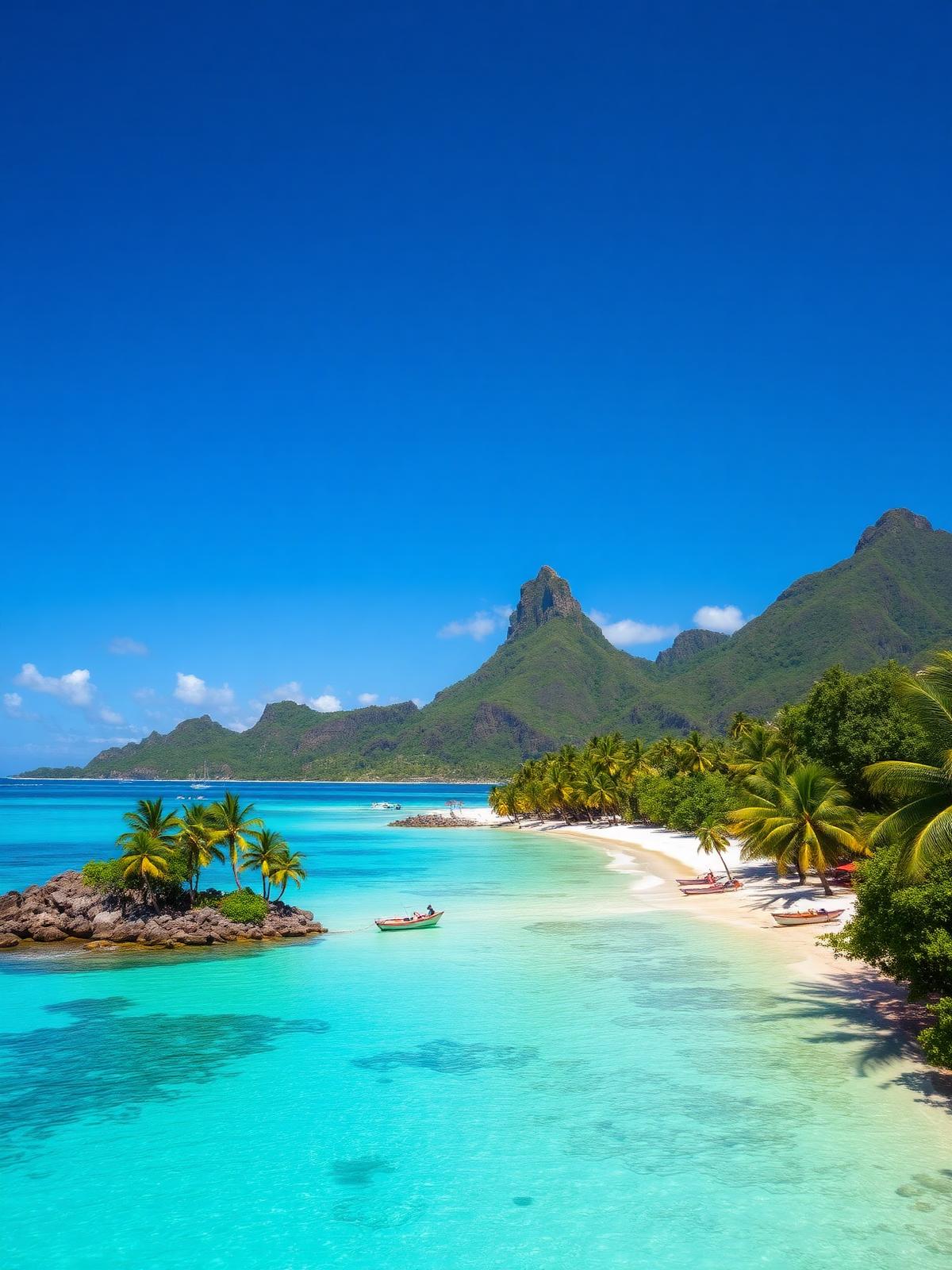
🇲🇺 Mauritius · Indian Ocean
Mauritius travel guide
Beach resort comfort with a real island to explore behind it
Written and last reviewed by the Bemer Travels team on 20 August 2026
Mauritius is our usual recommendation for travellers who want an Indian Ocean beach holiday but would get restless on a one-island resort. You can spend mornings snorkelling and afternoons hiking the Black River Gorges or wandering Port Louis market.
The island is small — roughly 65km by 45km — so nothing is more than about 90 minutes away, and a rental car genuinely improves the trip.
Why visit Mauritius
- Protected lagoons and reef-sheltered swimming beaches on most of the coast.
- Real variety inland: Chamarel's coloured earth, Black River Gorges hiking, tea estates and waterfalls.
- A multicultural food scene — Creole, Indian, Chinese and French influences in the same street.
- Good value compared with the Maldives or Seychelles for a comparable beach standard.
- Straightforward to combine with South Africa or Dubai on one trip.
Best time to visit Mauritius
May to June and September to December
- Winter (May – September)
- Cooler and drier, 20-26°C. Best for hiking and sightseeing; the east coast can be windy, which suits kitesurfers.
- Spring (October – December)
- Warm, calm and generally sunny. Our overall favourite window, with December filling up towards Christmas.
- Summer (January – March)
- Hot, humid and the cyclone season. Warmest sea temperatures and lowest rates, with a real weather risk.
- Autumn (April)
- Transitional and often lovely, with fewer visitors.
Weather varies by coast on the same day. The west and north are drier; the east and the central plateau catch more rain.
Main attractions in Mauritius
- Chamarel Seven Coloured Earths & waterfall
- The geological curiosity is brief, but the waterfall and the surrounding drive make the trip worthwhile.
- Black River Gorges National Park
- The island's main hiking area, with viewpoints reachable by car and trails from an hour to a full day.
- Île aux Cerfs
- A boat trip from the east coast to a beach island. Beautiful, popular, and best early in the day.
- Port Louis & Central Market
- The capital's market, waterfront and Aapravasi Ghat, a UNESCO site documenting indentured-labour history.
- Le Morne Brabant
- A UNESCO-listed basalt mountain with a demanding guided hike and one of the best beaches beneath it.
- Grand Baie
- The busiest resort town — restaurants, boat trips, nightlife and shopping.
- Dolphin watching at Tamarin
- Early morning boat trips. Choose operators that keep a respectful distance rather than chasing pods.
- Bois Chéri tea estate
- A tea plantation tour and tasting in the cooler highlands, easy to combine with a south-coast drive.
Where to stay in Mauritius
- North (Grand Baie, Pereybère, Trou aux Biches)
- The liveliest coast: most restaurants, calm swimming, best for first-timers who want things to do at night.
- West (Flic en Flac, Tamarin, Le Morne)
- Sunsets, dolphin trips and kitesurfing at Le Morne. Drier weather and good for couples.
- East (Belle Mare, Trou d'Eau Douce)
- The most beautiful beaches and the quietest resorts. Windier, and you will drive for variety.
- South (Bel Ombre, Souillac)
- Wilder coastline, fewer crowds, close to the national park.
- Central plateau (Curepipe, Moka)
- Not for beach holidays, but cheaper and useful for a business or family-visit trip.
Getting around and airport transfers
- Renting a car is the single best decision on a Mauritius trip. Driving is on the left, roads are decent, and the motorway crosses the island quickly.
- Taxis are available but expensive for full-day sightseeing; agree the price in advance.
- Buses are very cheap and cover the island, but they are slow and stop running early in the evening.
- The airport (MRU) is in the southeast. Transfers take roughly 45 minutes to the west coast and about an hour to the north.
- There is a modern light-rail line between Port Louis and Curepipe, useful for the central corridor rather than for beach travel.
Need a vehicle at the other end? Our car rental page explains how driver requirements, deposits and insurance excesses usually work abroad.
Choosing a hotel
- Check which beach your resort actually fronts. Some 'beachfront' properties sit on a narrow or seaweed-prone stretch, which varies by season and coast.
- Half-board is common and usually good value; full all-inclusive limits you from trying the island's excellent independent restaurants.
- Family resorts on the north and east coasts have strong kids' clubs; adults-only properties cluster on the west and south.
- Book a car with the hotel or an established local firm rather than at the airport desk on arrival — rates are usually better and the paperwork is quicker.
We can shortlist properties against your budget and travel dates — see how our hotel booking service works.
Tours and activities worth booking
- A south-island day tour combining Chamarel, Black River Gorges and Grand Bassin covers the best of the interior in one drive.
- Catamaran cruises to Île aux Cerfs or the northern islands are the classic full-day excursion and worth doing once.
- Le Morne must be climbed with a guide beyond the halfway point; do not attempt the upper section alone.
- Book dolphin trips for the earliest slot — later boats find fewer dolphins and more boats.
See our tours and experiences page, or tell us what you want to see and we will build the day around it.
Visa information for Mauritius
Nigerian passport holders are generally granted entry on arrival, subject to conditions
Mauritius operates a visa-on-arrival arrangement covering many African nationalities, and Nigerian passport holders travelling as tourists are generally admitted on arrival provided they meet the entry conditions: a passport valid for the required period, a confirmed return ticket, pre-booked accommodation and evidence of sufficient funds.
Immigration officers do check these documents at the counter, and travellers are occasionally refused for arriving without a confirmed hotel booking or return flight. Print your confirmations rather than relying on your phone.
Entry rules can change, so we verify the current position for your travel dates before you book and make sure you carry the documents immigration will ask for. Admission is always at the discretion of the border officer.
Families, couples and solo travellers
- Honeymooners
- West or east coast, seven nights, half-board with a couple of dinners out and one catamaran day.
- Families
- North coast for calm lagoons and short drives to restaurants and activities. Rent a car with child seats booked in advance.
- Active travellers
- Base near Tamarin or Le Morne for hiking, kitesurfing and diving, and drive out for the interior.
- Combination trips
- Mauritius pairs well with Johannesburg or Cape Town, or as a beach add-on after Dubai.
Tips for first-time visitors to Mauritius
- The sun is strong even on cloudy days — the UV index is high year-round.
- Tap water is generally treated in main areas, but most visitors drink bottled water.
- Rupees are used everywhere; cards are widely accepted at hotels and larger restaurants but carry cash for markets and small vendors.
- Mosquito repellent is worth carrying, especially on the coast at dusk.
- Sunday is quiet — many shops close and the beaches fill with local families, which is part of the charm.
Common mistakes to avoid
- Staying only inside the resort. The interior is what distinguishes Mauritius from other beach destinations.
- Booking January or February without factoring in cyclone risk.
- Assuming every beach is calm — some south-coast stretches have no reef protection and strong currents.
- Skipping the car hire and then paying more in taxis over a week.
- Arriving without printed accommodation and return-flight confirmations.
What things typically cost
- Mid-range resort, per night
- About $130-$280 half-board depending on coast and season.
- Car hire, per day
- Roughly $30-$55 for a small car including basic insurance.
- Casual meal
- $8-$20 per person at local restaurants; resort dining is several times more.
- Full-day catamaran excursion
- $60-$110 per person including lunch.
Indicative planning ranges only. Actual prices move with season, exchange rates and availability — ask us for a current quote for your dates.
FAQs
Mauritius travel FAQs
Mauritius or the Maldives?
The Maldives for pure resort seclusion and reef snorkelling; Mauritius if you also want mountains, towns, markets and the freedom to drive around.
How many nights?
Seven is ideal. Five works if you accept one full sightseeing day and the rest at the beach.
Is it safe?
Yes, one of the safer destinations in the region. Normal precautions apply — do not leave valuables on the beach or visible in a car.
Do I need a car?
Not strictly, but it changes the trip. Without one you will see the resort and little else, or spend heavily on taxis.
Planning a trip to Mauritius?
Tell us your dates, budget and who is travelling. We will come back with flight options, a shortlist of hotels that fit, and a realistic visa timeline — no obligation.
More travel guides
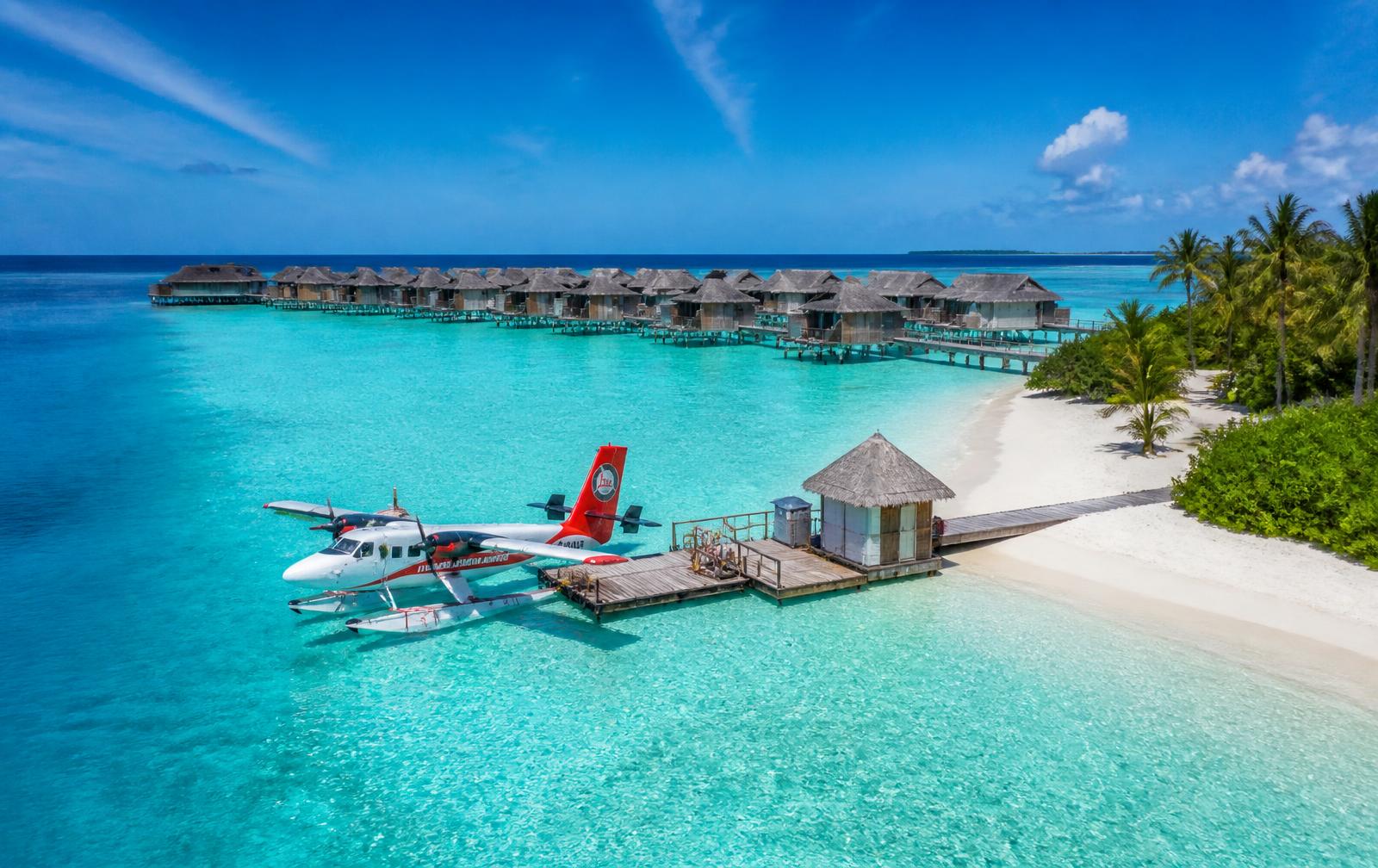
🇲🇻 Maldives
Maldives travel guide
One resort, one island — choose carefully, because you cannot change your mind
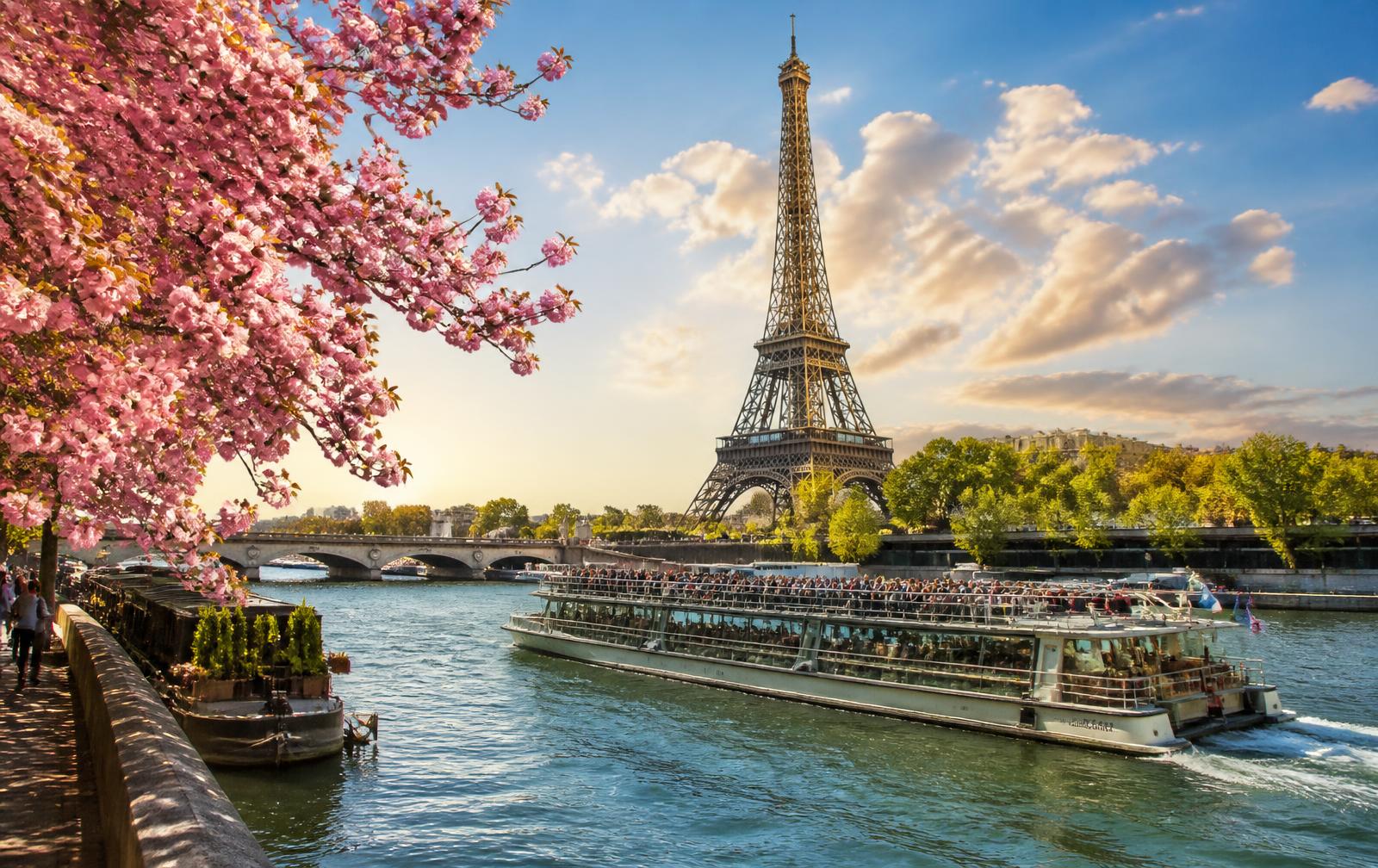
🇫🇷 France
Paris travel guide
Museums, boulevards and an approachable first city in Europe
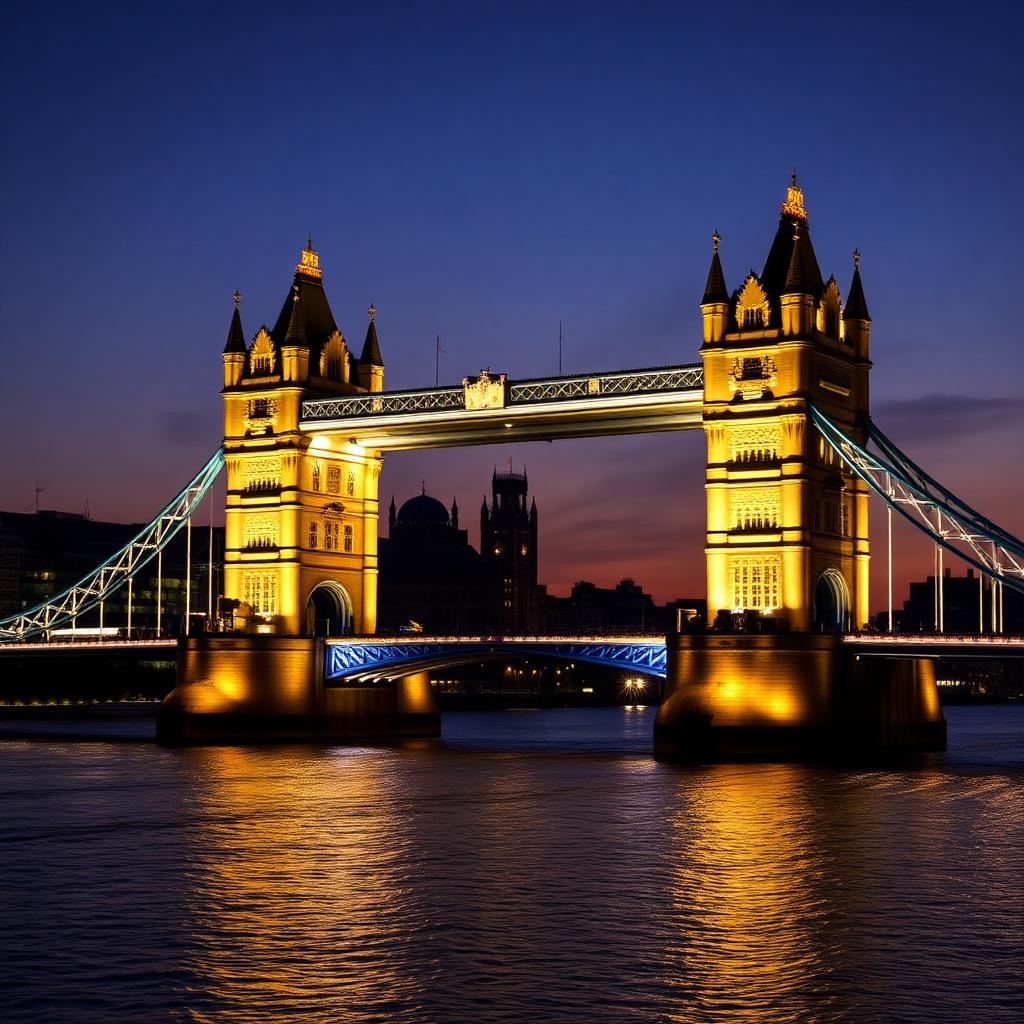
🇬🇧 United Kingdom
London travel guide
Familiar, direct from Lagos, and far bigger than it looks
Browse all 29 Bemer Travels destination guides, or explore our destinations and travel blog.