
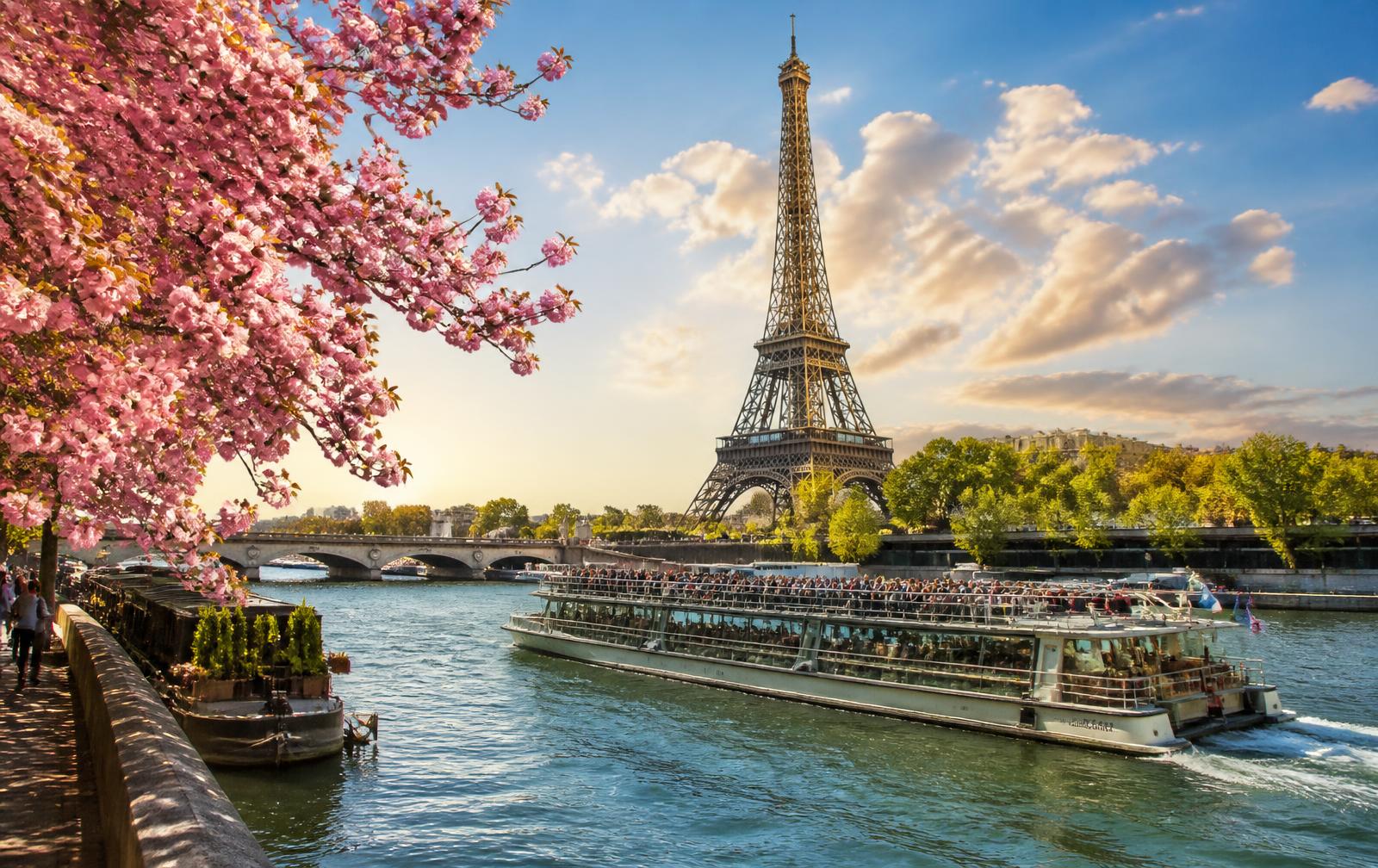
🇫🇷 France · Western Europe
Paris travel guide
Museums, boulevards and an approachable first city in Europe
Written and last reviewed by the Bemer Travels team on 20 August 2026
Paris is the destination we plan most often for clients taking their first trip into the Schengen area, and there is a practical reason for that: the city is small. The area most visitors care about — the Louvre, the Eiffel Tower, the Marais, the Latin Quarter, Montmartre — fits inside roughly 10 kilometres, and the metro covers the gaps in minutes. You do not need to hire a car, and you rarely need more than one hotel.
The trade-off is that Paris is busy and priced accordingly. Timing your trip, choosing the right arrondissement, and pre-booking the two or three attractions that often sell out will do more for your experience than spending extra on the hotel. That is what this guide focuses on.
Why visit Paris
- One of the highest concentrations of major museums and galleries in the world, most of them within a 30-minute metro ride of each other.
- A genuinely walkable historic centre — the Seine gives you a natural spine to orient yourself along.
- Excellent rail links, so Paris pairs easily with Brussels, Amsterdam or the south of France on the same Schengen visa.
- Food at every price point, from a €3 bakery lunch to a tasting-menu evening.
Best time to visit Paris
April to June and September to October give you the best balance of weather and crowds
- Spring (April – June)
- Mild days, long light and gardens in bloom. Our preferred window overall, though late May and early June get busy around public holidays.
- Summer (July – August)
- Warmest and busiest. Many independent restaurants close for August holidays, and queues at the big sights are at their longest. Good for travellers tied to school holidays, otherwise avoidable.
- Autumn (September – October)
- Comfortable temperatures, thinner crowds and lower hotel rates than summer. Strong value window.
- Winter (November – March)
- Cold, grey and often wet, with daylight ending around 17:00 in December. Cheapest hotel rates, and museums are pleasantly quiet — pack properly and it is a good short-break season.
If you are travelling from Lagos, remember that Paris winters are genuinely cold. A packable insulated jacket, layers and waterproof shoes matter more than a heavy coat you will struggle to carry.
Main attractions in Paris
- The Louvre
- Enormous — plan a route in advance rather than trying to see it all. Timed-entry tickets are effectively required; walk-up entry is unreliable. Wednesday and Friday late openings are the quietest.
- Eiffel Tower
- Book the summit slot online weeks ahead. If tickets are gone, the view from Trocadéro or the Montparnasse Tower observation deck is cheaper and puts the tower in the photo.
- Musée d'Orsay
- The Impressionist collection in a converted railway station. Smaller and more manageable than the Louvre — many visitors enjoy it more.
- Montmartre and Sacré-Cœur
- Hilltop village streets with the best free view over the city. Go early morning to avoid both the crowds and the persistent street sellers around the steps.
- Le Marais
- The best district for simply walking: independent shops, falafel counters, the Place des Vosges and the Picasso Museum. Lively on Sundays when much of Paris closes.
- Seine river cruise
- A one-hour evening cruise is one of the few 'touristy' things we recommend without hesitation — it orients you to the city on the first night.
- Palace of Versailles
- A 45-minute RER C ride out of the city. A full day trip; arrive at opening or late afternoon, because the middle of the day is heaving.
Where to stay in Paris
- 1st & 2nd arrondissements (Louvre, Palais Royal)
- Most central, best for a short first trip where walking time matters more than price.
- 3rd & 4th (Le Marais)
- Our usual recommendation for couples — atmospheric streets, excellent food, still very central.
- 5th & 6th (Latin Quarter, Saint-Germain)
- Classic Left Bank Paris. Good for repeat visitors and travellers who want quieter evenings.
- 7th (Eiffel Tower, Invalides)
- Residential and safe, good for families, but fewer casual dinner options within walking distance.
- 15th & 14th
- Where we look when the budget is tight — noticeably cheaper, still on good metro lines.
Getting around and airport transfers
- The metro is the fastest way around. Buy a Navigo Easy card or use contactless payment; single paper tickets are being phased out.
- Charles de Gaulle (CDG) to central Paris takes 35-50 minutes on the RER B, or 45-75 minutes by taxi depending on traffic. Taxis to central Paris run on a fixed official fare — agree it before you get in and ignore anyone approaching you inside the terminal.
- Orly is closer but usually means a bus or tram connection. Beauvais, marketed as Paris, is roughly 85km out — check which airport a cheap fare actually uses.
- Walking covers more than people expect: Louvre to Notre-Dame is about 20 minutes.
- You do not need a rental car in Paris. Hire one only if you are continuing into the Loire Valley or Normandy.
Need a vehicle at the other end? Our car rental page explains how driver requirements, deposits and insurance excesses usually work abroad.
Choosing a hotel
- Paris rooms are small by Nigerian standards. A 'double' is often 14-16 square metres; if space matters, filter for room size, not star rating.
- Many older buildings have no lift or a very small one. If you have heavy luggage or mobility needs, confirm this in writing before booking.
- Air conditioning is not universal. For July and August travel, treat it as a must-have filter.
- City tourist tax is charged per person per night at check-out and is not included in most online rates — budget roughly €2-€8 per person per night.
- Family rooms for four are scarce and sell out early. Book them well ahead or plan for two connecting rooms.
We can shortlist properties against your budget and travel dates — see how our hotel booking service works.
Tours and activities worth booking
- Book the Louvre, the Eiffel Tower summit and Versailles before you fly. These are the three that regularly sell out.
- A half-day walking tour on your first morning pays for itself in orientation, especially if it is your first time in Europe.
- Day trips to Giverny, Reims or the Normandy beaches all work as organised excursions and save you the logistics of regional rail.
- Skip-the-line tickets are worth it in summer and rarely worth it in January.
Browse Paris tours and experiences, or tell us what you want to see and we will build the day around it.
Visa information for France
Nigerian passport holders need a Schengen visa for France
France is part of the Schengen area, so a short-stay Schengen visa (Type C) is required for Nigerian passport holders. Applications are made through the French embassy's appointment provider, and the appointment itself is often the bottleneck — in busy periods it can be the longest single step in your timeline.
You will normally be asked for proof of accommodation, a return flight reservation, travel insurance meeting the Schengen minimum medical cover, bank statements and evidence of ties to Nigeria. Requirements and processing times change, so we confirm the current position for your travel dates rather than working from last year's checklist.
Bemer Travels provides guidance, document preparation support and confirmed travel bookings for your application. We are a travel agency, not an immigration lawyer, and no agency can guarantee a visa outcome — the decision is always the embassy's.
Families, couples and solo travellers
- First-time visitors
- Four to five nights is the realistic minimum. Stay central, pre-book two big sights and leave at least one day unplanned.
- Couples
- Le Marais or Saint-Germain, an evening Seine cruise, and a day trip to Champagne or Giverny. Book dinner reservations ahead — good restaurants are small.
- Families
- The 7th or 15th for space and quiet. Jardin du Luxembourg, the Cité des Sciences and a Disneyland Paris day work well; Versailles is a long day for young children.
- Solo travellers
- Paris is straightforward solo. Metro is safe in daylight and early evening; stay alert around Gare du Nord, Châtelet and the Eiffel Tower approaches, which are the main pickpocket spots.
Tips for first-time visitors to Paris
- Learn 'bonjour', 'merci' and 'parlez-vous anglais?'. Greeting first changes how you are treated in shops.
- Lunch menus (formule midi) at good restaurants often cost half the dinner price for the same kitchen.
- Tap water is safe and free — ask for 'une carafe d'eau'.
- Service is included in the bill; rounding up is normal, 15-20% tipping is not.
- Museums are closed one day a week and it is not the same day everywhere — check before you plan a morning around one.
- Keep your phone in a zipped pocket on the metro and at Trocadéro. Phone snatching, not violent crime, is the realistic risk.
Common mistakes to avoid
- Booking a hotel near Beauvais or Disneyland thinking it is 'Paris' — both are long commutes.
- Trying to see the Louvre, Orsay and Versailles in one day. Pick one major indoor site per day.
- Ignoring the Schengen travel-insurance requirement until the visa appointment.
- Arriving with only cash. Cards are used almost everywhere; some shops no longer take cash at all.
- Leaving Versailles or the Eiffel Tower to a walk-up ticket in July.
What things typically cost
- Mid-range hotel, per night
- Roughly €150-€260 in shoulder season, higher in June and September.
- Metro travel, per day
- About €6-€10 with contactless or a Navigo Easy top-up.
- Casual lunch
- €12-€20 for a bakery lunch or a lunch formule.
- Museum entry
- €14-€22 for major museums; under-18s and some EU residents enter free.
Indicative planning ranges only. Actual prices move with season, exchange rates and availability — ask us for a current quote for your dates.
FAQs
Paris travel FAQs
How many days do I need in Paris?
Four to five nights covers the main sights at a reasonable pace with one day trip. Three nights works if you skip Versailles.
Is Paris safe for Nigerian travellers?
Yes, with normal city precautions. The realistic risk is pickpocketing and phone snatching in crowded tourist areas and on the metro, not violent crime. Keep valuables secured and avoid unlit side streets late at night.
Can I visit other countries on the same visa?
A Schengen visa generally allows travel across the Schengen area within the dates and conditions granted, but you should enter through the country that issued the visa or where you spend the most nights. We plan itineraries with this rule in mind.
Do I need to speak French?
No. English is widely understood in hotels, museums and central restaurants. A greeting in French still helps.
Planning a trip to Paris?
Tell us your dates, budget and who is travelling. We will come back with flight options, a shortlist of hotels that fit, and a realistic visa timeline — no obligation.
More travel guides
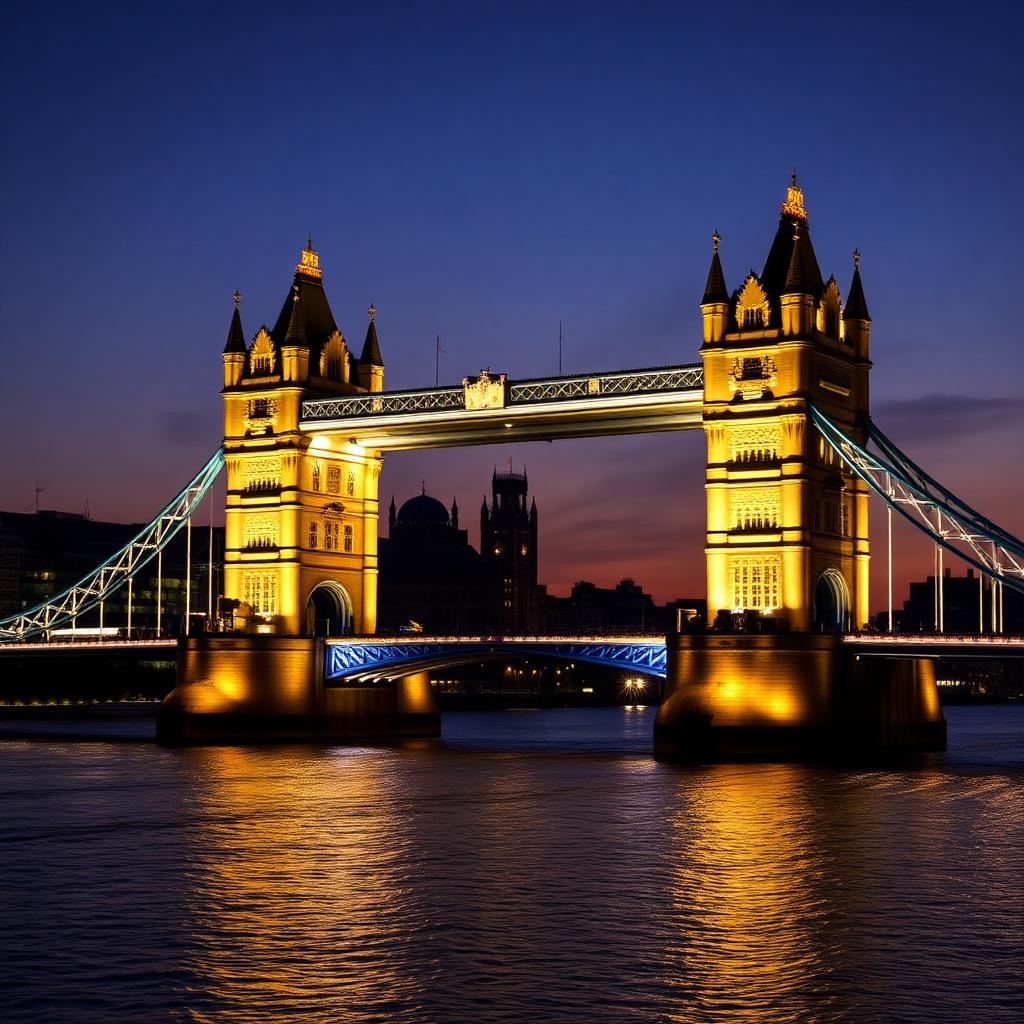
🇬🇧 United Kingdom
London travel guide
Familiar, direct from Lagos, and far bigger than it looks
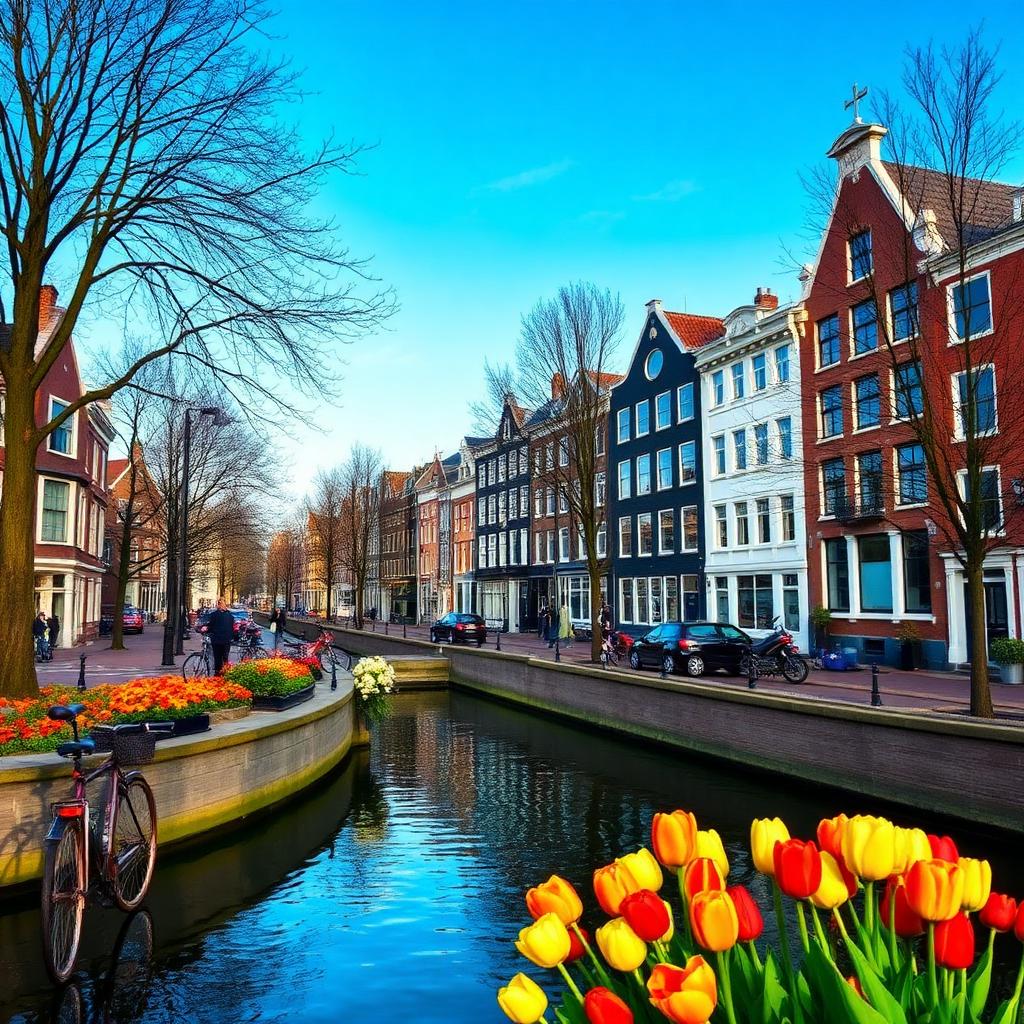
🇳🇱 Netherlands
Amsterdam travel guide
Compact, flat and easy — provided you book the museums early
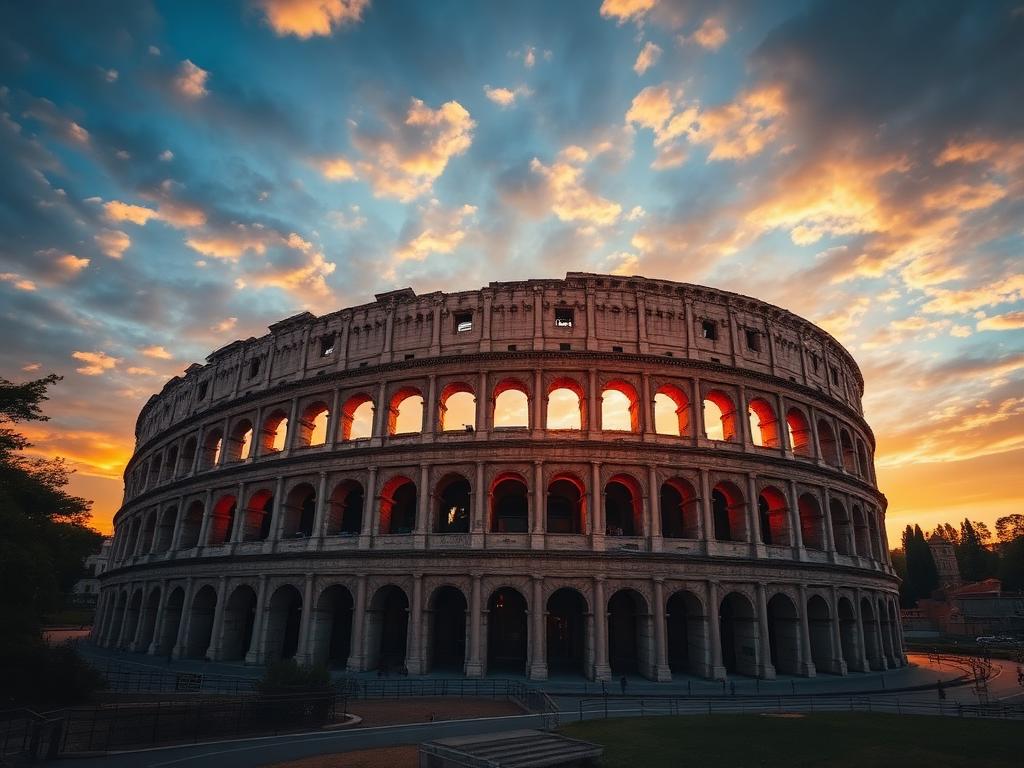
🇮🇹 Italy
Rome travel guide
An open-air museum you can cross on foot
Browse all 29 Bemer Travels destination guides, or explore our destinations and travel blog.