
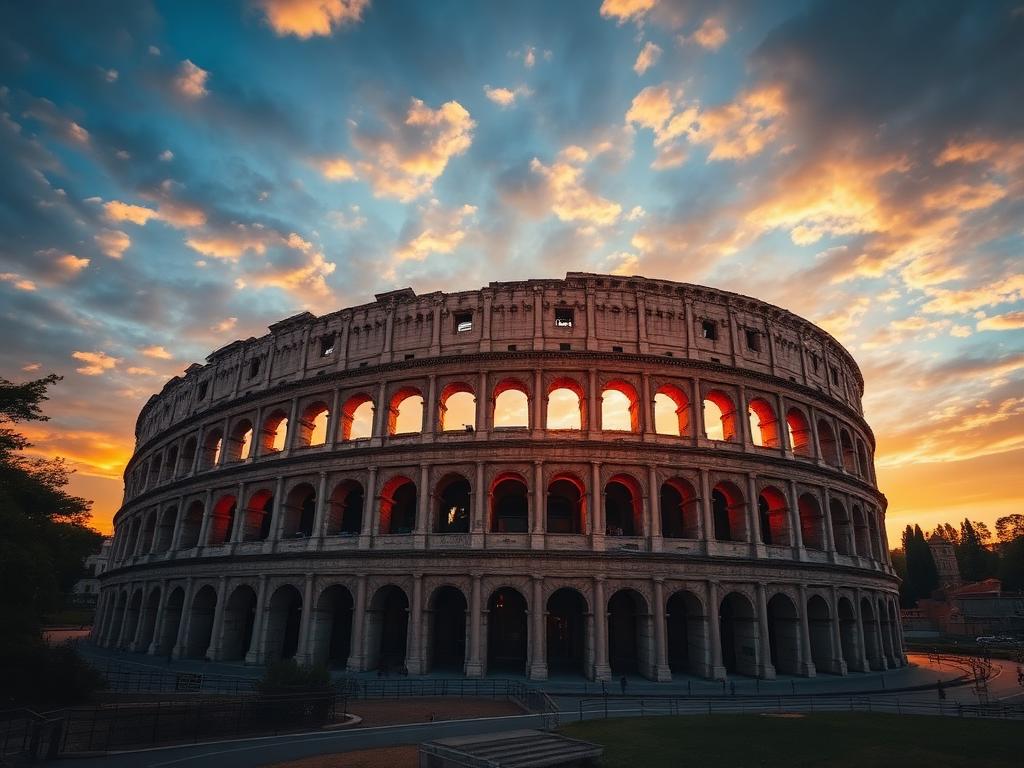
🇮🇹 Italy · Southern Europe
Rome travel guide
An open-air museum you can cross on foot
Written and last reviewed by the Bemer Travels team on 20 August 2026
Rome is the most concentrated historic city we plan trips to. You can walk from the Colosseum to the Pantheon to the Trevi Fountain in under an hour, passing ruins that would be a national monument anywhere else.
That density is also the trap: visitors try to do everything in three days in August and end up exhausted. The single best decision you can make about a Rome trip is when to go, and the second is which two ticketed sites you pre-book.
Why visit Rome
- Ancient Rome, Renaissance Rome and Baroque Rome all sit within one walkable centre.
- The Vatican Museums and St Peter's Basilica — an unmatched art collection alongside a working religious site.
- Food that is regional and specific: cacio e pepe, carbonara, supplì, and pizza al taglio sold by weight.
- An easy base for Florence, Naples, Pompeii and the Amalfi Coast by fast train.
Best time to visit Rome
April to early June and late September to October
- Spring (April – June)
- Warm, bright and green. Easter week is extremely busy around the Vatican — avoid it unless that is the point of your trip.
- Summer (July – August)
- Regularly above 35°C with little shade at the Forum. Many Roman businesses close mid-August. We rarely recommend it.
- Autumn (September – October)
- Our top pick: warm days, cooler evenings, lighter crowds and better hotel rates.
- Winter (November – March)
- Cool and sometimes wet, but the Vatican and Colosseum are at their quietest and prices are at their lowest.
If you must travel in summer, do outdoor sites before 10:00 and after 17:00, and use the middle of the day for museums and churches.
Main attractions in Rome
- Colosseum, Roman Forum & Palatine Hill
- One combined ticket, timed entry, and it sells out. The Forum is the more interesting site but has almost no shade.
- Vatican Museums & Sistine Chapel
- Book the earliest slot available. Modest dress is enforced: shoulders and knees covered for everyone.
- St Peter's Basilica
- Free to enter but with a long security queue; the dome climb is ticketed and worth it if you can manage 500 steps.
- Pantheon
- Now ticketed, still remarkable. The best-preserved building from ancient Rome.
- Trevi Fountain
- Crowded from 09:00 to midnight. Go at 07:00 for a photo you can actually take.
- Trastevere
- Cobbled streets across the river, the best evening dining district, and the least museum-like part of central Rome.
- Borghese Gallery
- Small, superb, and strictly reservation-only with a two-hour visit limit. Book weeks ahead.
- Ostia Antica
- A Roman port town, well preserved and far quieter than Pompeii, 40 minutes from the centre by train.
Where to stay in Rome
- Centro Storico (Pantheon, Navona)
- The best base for a short trip — everything on foot, priced accordingly.
- Monti
- Next to the Colosseum, characterful, good restaurants, quieter evenings. Our usual pick for couples.
- Trastevere
- Atmospheric and lively at night. Slightly further from the ancient sites; noise can be an issue on weekends.
- Prati
- Near the Vatican, residential and calm, good value, well connected by metro line A.
- Termini area
- Cheapest and best-connected for day trips, but the immediate station surroundings are the least pleasant part of central Rome after dark.
Getting around and airport transfers
- Walk. The historic centre is compact and much of it is pedestrianised or too narrow for comfortable driving.
- The metro has only three lines and does not reach much of the historic centre — buses and trams fill the gap but run to loose timetables.
- Fiumicino (FCO) to Termini takes about 32 minutes on the Leonardo Express. Fixed-fare official taxis to the centre are available — use the marked white taxi rank, never a tout inside the terminal.
- Ciampino serves low-cost carriers and needs a shuttle bus.
- Do not drive in the centre. The ZTL restricted zone is camera-enforced and fines arrive months later via your rental company.
Need a vehicle at the other end? Our car rental page explains how driver requirements, deposits and insurance excesses usually work abroad.
Choosing a hotel
- Historic buildings mean small rooms, occasional no-lift walk-ups and variable soundproofing. Read recent reviews for noise specifically.
- Air conditioning is essential from June to September — confirm it is in the room, not just the lobby.
- Rome charges a per-person, per-night city tax collected at the property.
- Breakfast in Italian hotels is often light. The standing espresso and cornetto at the bar next door is cheaper and more enjoyable.
We can shortlist properties against your budget and travel dates — see how our hotel booking service works.
Tours and activities worth booking
- Pre-book the Colosseum combined ticket and the Vatican Museums. These two are non-negotiable in high season.
- An early-entry or after-hours Vatican tour is one of the few premium upgrades genuinely worth the money.
- A guided Forum tour transforms it — without context it is a field of broken columns.
- Pompeii and the Amalfi Coast make a long but rewarding day trip by fast train plus organised transfer.
Browse Rome tours and experiences, or tell us what you want to see and we will build the day around it.
Visa information for Italy
Italy requires a Schengen visa for Nigerian passport holders
Italy is in the Schengen area, so Nigerian passport holders apply for a short-stay Schengen visa through the Italian embassy's appointment provider. Appointment availability is usually the limiting factor, particularly between April and August.
Expect to provide confirmed accommodation, a return flight itinerary, Schengen-compliant travel insurance, bank statements and proof of employment or business. If Italy is your main destination by nights spent, apply to Italy rather than another Schengen state.
Bemer Travels supports the travel side of the application — itinerary, hotel and flight documentation, insurance and timeline planning. The visa decision itself is made by the embassy.
Families, couples and solo travellers
- First-time visitors
- Four nights. Two big ticketed sites, two walking days, one evening in Trastevere.
- Couples
- Monti or Trastevere, a Borghese Gallery reservation, and a day trip to Orvieto or Florence.
- Families
- Prati for space and calm. The Colosseum and Ostia Antica hold children's attention far better than the museums.
- Faith-based travel
- Stay in Prati for the Vatican. Papal audiences are usually Wednesday mornings and require free tickets requested in advance.
Tips for first-time visitors to Rome
- Drinking water is free from the nasoni street fountains all over the city — carry a bottle.
- Coffee standing at the bar costs a fraction of the same coffee served at a table.
- A cover charge (coperto) per person is normal and legal; a 20% tip is not expected.
- Restaurants with photo menus and a host waving you in from the street are the ones to walk past.
- Churches enforce dress codes. Carry a light scarf in summer.
- Watch bags on the 64 bus and around Termini — the classic pickpocket routes.
Common mistakes to avoid
- Visiting in August and planning outdoor sites at midday.
- Turning up at the Colosseum or Vatican without a timed ticket.
- Booking a hotel far outside the centre to save money, then spending it on taxis.
- Driving into the ZTL — the fine will find you.
- Trying to add Florence, Venice and Naples to a four-night Rome trip.
What things typically cost
- Mid-range hotel, per night
- Roughly €130-€220 in shoulder season.
- Colosseum combined ticket
- Around €18-€24 plus booking fee, depending on the option chosen.
- Vatican Museums
- About €20-€27 with online reservation.
- Casual meal
- €12-€25 per person at a neighbourhood trattoria.
Indicative planning ranges only. Actual prices move with season, exchange rates and availability — ask us for a current quote for your dates.
FAQs
Rome travel FAQs
How many days do I need in Rome?
Four nights is comfortable for the main sights. Three is possible but tight; add nights if you want Pompeii or Florence.
Do I need to book the Vatican in advance?
Yes. Reserved entry saves hours in high season and the earliest slots are the quietest.
Is Rome walkable?
Very. Wear real walking shoes — the cobblestones punish thin soles.
Can I visit the Vatican and Colosseum in one day?
You can, but it is a long day. We usually split them and use the afternoons for Trastevere and the Centro Storico.
Planning a trip to Rome?
Tell us your dates, budget and who is travelling. We will come back with flight options, a shortlist of hotels that fit, and a realistic visa timeline — no obligation.
More travel guides
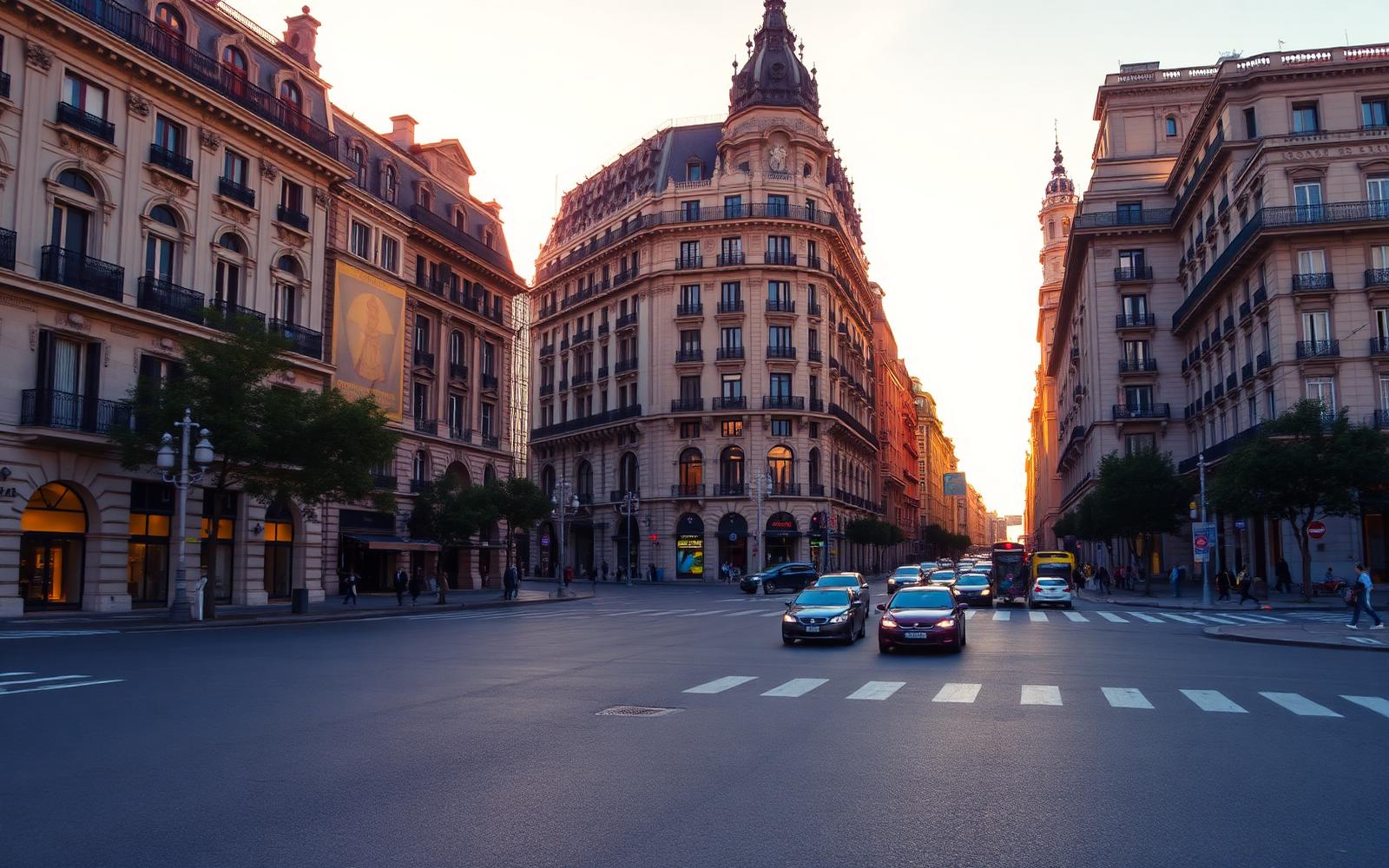
🇪🇸 Spain
Madrid travel guide
Spain's capital — art, late nights and better value than most of Western Europe
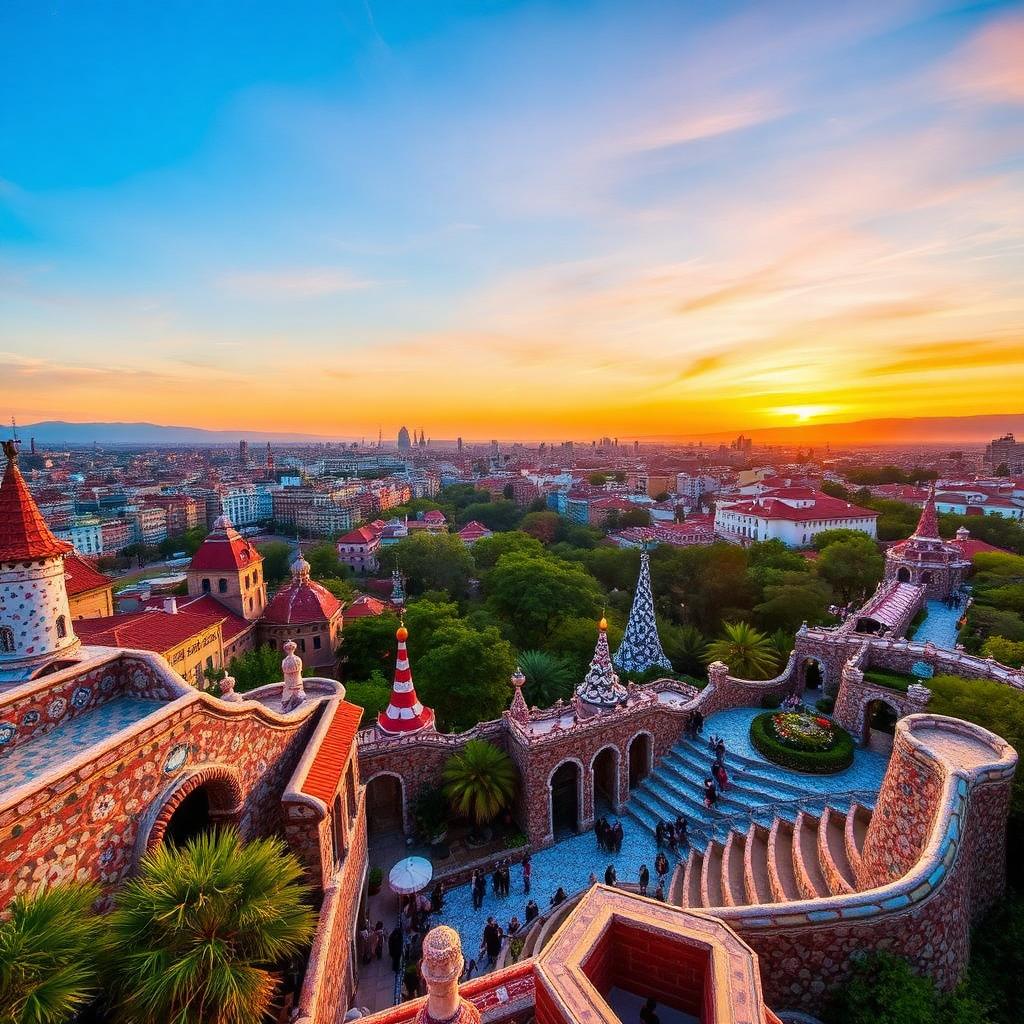
🇪🇸 Spain
Barcelona travel guide
A beach city and an architecture city in the same four days
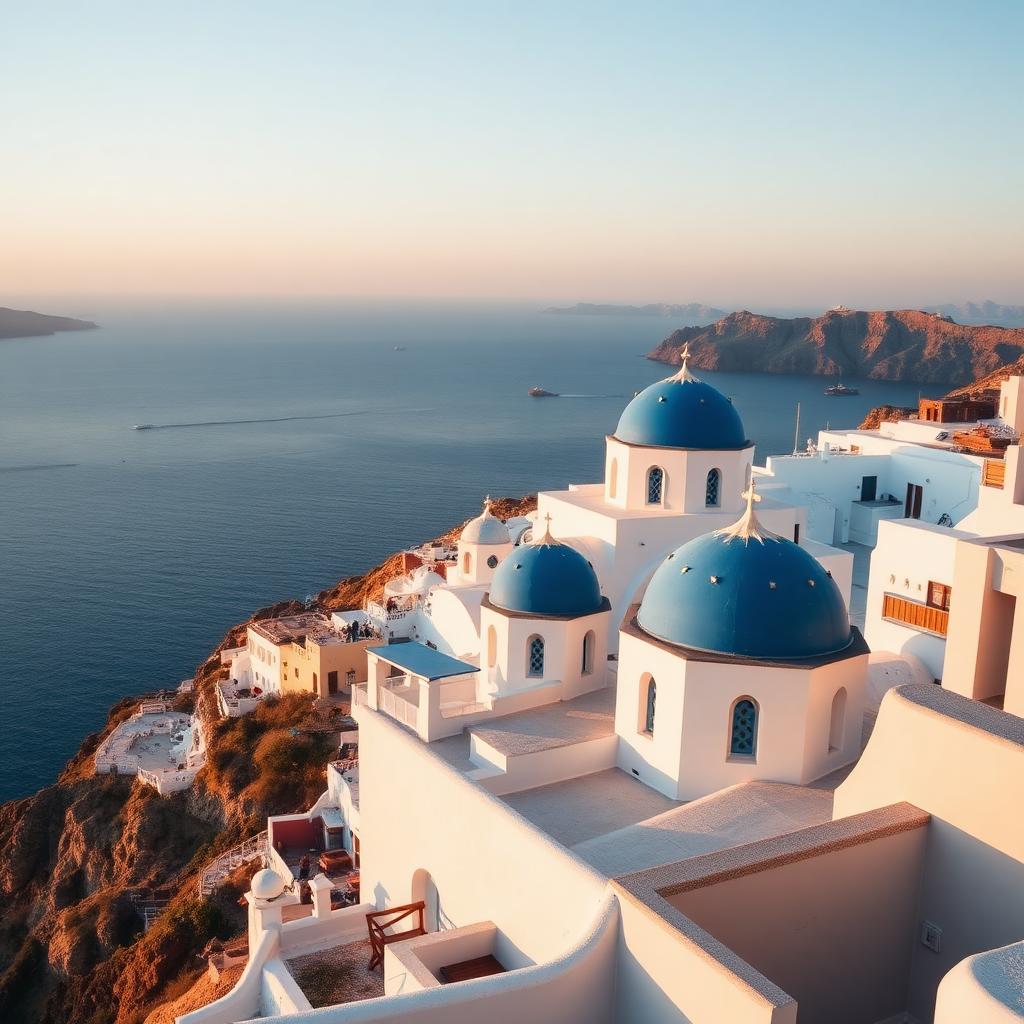
🇬🇷 Greece
Santorini travel guide
Caldera views, volcanic beaches and villages that reward careful timing
Browse all 29 Bemer Travels destination guides, or explore our destinations and travel blog.