
🇬🇷 Greece · Southern Europe
Santorini travel guide
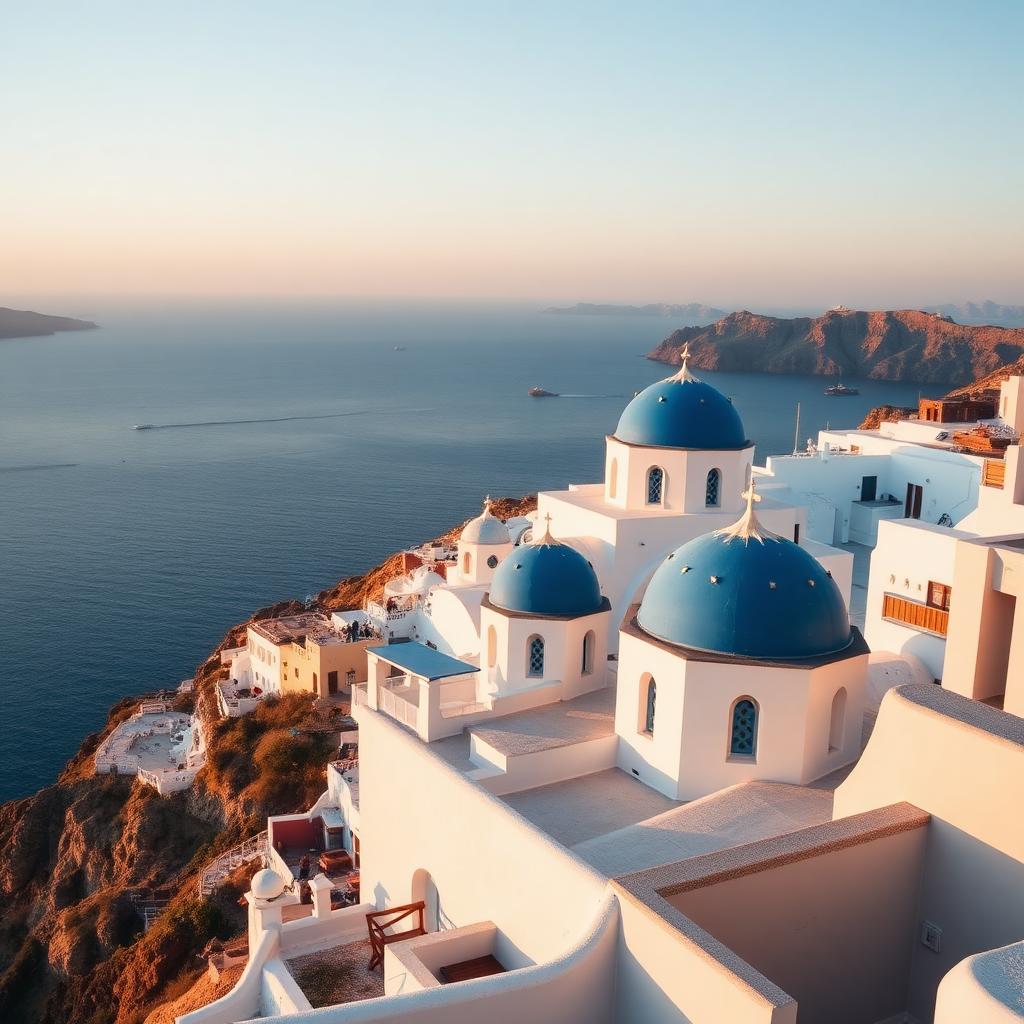
Caldera views, volcanic beaches and villages that reward careful timing
Written and last reviewed by the Bemer Travels team on 19 September 2026
Santorini is visually dramatic, but the island is not one continuous postcard. Oia and Imerovigli face the caldera, the main beach resorts sit on the opposite coast, and travelling between them takes longer than the map suggests in summer traffic.
A good first trip usually balances one caldera stay with time near the water. Booking the hotel for its exact location and view category, rather than its island-wide description, prevents the most common disappointment.
Why visit Santorini
- The caldera rim gives wide views across the flooded crater and neighbouring volcanic islands.
- Akrotiri preserves a Bronze Age settlement beneath layers of volcanic ash.
- Local vineyards grow vines low to the ground in basket shapes adapted to strong wind and dry conditions.
- Black-sand beaches such as Perissa and Kamari offer a different landscape from the cliff villages.
- Ferries and short flights make the island practical to combine with Athens, Crete or another Cycladic island.
Best time to visit Santorini
Late April to June and September to early October offer the best balance
- Spring (April – May)
- Mild days, green hillsides and fewer visitors. Sea temperatures remain cool early in the season.
- Early summer (June)
- Warm, dry and bright before the largest July and August crowds arrive.
- High summer (July – August)
- Hot, windy, crowded and expensive. Sunset viewpoints and roads are busiest.
- Autumn (September – October)
- Warm sea, calmer villages and good outdoor weather, with some seasonal businesses closing later in October.
- Winter (November – March)
- Quiet and often inexpensive, but many hotels, restaurants and boat services close or reduce their hours.
Cruise-ship schedules can change how crowded Oia and Fira feel by the hour. An early start or an evening after ships leave is often more useful than choosing a different day.
Main attractions in Santorini
- Oia
- The best-known caldera village. Walk its lanes early in the morning; sunset is beautiful but extremely busy around the castle ruins.
- Fira to Oia trail
- A exposed cliff walk of roughly 10 kilometres. Allow three to five hours, carry water and avoid the hottest part of a summer day.
- Akrotiri archaeological site
- A covered excavation with preserved streets and buildings. Combine it with the nearby red cliffs, viewed from the signed lookout rather than unstable slopes.
- Pyrgos
- A hilltop village with winding lanes and broad island views, usually calmer than Oia.
- Perissa and Kamari
- Organised black-sand beach areas with restaurants and easier access to the water than the caldera villages.
- Caldera boat trip
- Routes typically visit volcanic islets and swimming stops; inclusions and boat sizes differ, so compare the actual itinerary.
- Ancient Thera
- Ruins on a high ridge above Kamari and Perissa. Access is weather-sensitive and the site has little shade.
Where to stay in Santorini
- Fira
- Best transport hub, broad choice of restaurants and easier bus connections. Busy, but practical without a car.
- Imerovigli
- Quieter caldera views and a good couples' base, with fewer late-night options than Fira.
- Oia
- Iconic setting and premium rates. Choose it for the atmosphere, not for convenient island-wide transport.
- Perissa or Kamari
- Best for beach time, level streets and better-value rooms; use buses, taxis or a rental vehicle for the caldera.
- Pyrgos
- Traditional inland base with a slower pace and central position, but a vehicle is useful.
Getting around and airport transfers
- Public buses radiate from Fira, so travelling between two other villages often requires a change there.
- Summer buses can fill and road traffic builds around sunset; leave extra time for fixed reservations and ferry departures.
- Taxis are limited and expensive at peak times. Pre-arranged airport or port transport is useful when arriving late or with luggage.
- A small rental car gives flexibility, but parking near Oia and Fira is difficult. Quad bikes require appropriate licensing, insurance and cautious driving.
- Ferry schedules can change in strong winds. Do not place an important international flight immediately after an unprotected ferry connection.
Need a vehicle at the other end? Our car rental page explains how driver requirements, deposits and insurance excesses usually work abroad.
Choosing a hotel
- A 'caldera view' is not the same as a private sunset view. Check the room category and photographs for the exact unit booked.
- Many cliff hotels involve steep steps and no vehicle access; ask about porter service and accessibility before paying.
- Private plunge pools can be overlooked by paths or neighbouring terraces, despite how photographs are framed.
- Beach-side hotels are generally flatter and better suited to families or travellers with limited mobility.
- Local accommodation taxes or climate-related levies may be collected separately at the property.
We can shortlist properties against your budget and travel dates — see how our hotel booking service works.
Tours and activities worth booking
- Choose a caldera cruise by route, passenger count, meal and transfer inclusions rather than the phrase 'sunset cruise' alone.
- A guided Akrotiri visit adds context that is easy to miss from the surviving walls and streets.
- Winery tours are useful because several estates are difficult to combine by public bus and driving after tastings is unsuitable.
- Book small-group activities early in July and August, but keep some unstructured time for weather or ferry changes.
See our tours and experiences page, or tell us what you want to see and we will build the day around it.
Visa information for Greece
Greece is in the Schengen Area — requirements depend on your passport and residence
Some travellers can enter Greece visa-free for short stays, while others need a Schengen short-stay visa before departure. The applicable process depends on nationality, country of residence, trip purpose and the country spending the main part of the itinerary.
Where a visa is required, the application commonly includes an appointment, biometrics, accommodation and transport evidence, proof of funds and compliant travel medical insurance. Requirements and appointment availability can change.
Bemer Travels can help organise itinerary and booking documents and explain the current process for your circumstances. Only the relevant consular authority decides an application.
Families, couples and solo travellers
- First-time visitors
- Four nights split between a caldera village and a beach area gives both sides of the island without constant transfers.
- Couples
- Imerovigli offers quieter evenings and caldera views; add a small-group cruise and one inland village day.
- Families
- Kamari or Perissa provides flatter access, larger rooms and straightforward beach days.
- Solo travellers
- Fira is the easiest base for buses, restaurants and joining group excursions without a car.
Tips for first-time visitors to Santorini
- Wear shoes with grip: polished lanes and cliff steps can be slippery.
- Carry water and sun protection; shade is limited on walks and archaeological sites.
- Confirm whether your ferry uses Athinios port and arrange enough transfer time for the steep access road.
- Reserve a restaurant for a specific view only after checking sunset time and the table policy.
- Drinkable water arrangements vary by property; ask your hotel about local guidance and refill options.
Common mistakes to avoid
- Booking a hotel labelled Santorini without checking which side of the island it occupies.
- Scheduling every evening around the Oia sunset crowd.
- Assuming buses connect every village directly.
- Choosing a cliff hotel without asking about stairs and luggage access.
- Relying on a same-day ferry connection for an important long-haul flight.
What things typically cost
- Mid-range hotel, per night
- Often €130–€280 in shoulder season; caldera-view rooms and summer dates can cost substantially more.
- Local bus
- Usually a few euros per journey, with tickets sold for the specific route.
- Casual meal
- Roughly €15–€30 per person away from premium-view terraces.
- Caldera cruise
- Commonly €50–€180 per person depending on boat size, duration, meals and transfers.
Indicative planning ranges only. Actual prices move with season, exchange rates and availability — ask us for a current quote for your dates.
FAQs
Santorini travel FAQs
How many days do I need in Santorini?
Three full days covers the caldera villages, one archaeological or inland day and some beach time. Four or five nights gives a more relaxed trip.
Do I need a car in Santorini?
Not necessarily if you stay near a bus route and pre-book key transfers. A small car is useful for beaches and inland villages, but parking is difficult in the main towns.
Is Santorini suitable for children?
Yes, particularly around Kamari or Perissa. Cliff villages have many stairs and unprotected drops, so location choice matters for young children.
Can Bemer Travels combine Santorini with Athens?
Yes. We can plan flights or ferries, hotels and transfers as one itinerary, while keeping enough connection time between separate tickets.
Planning a trip to Santorini?
Tell us your dates, budget and who is travelling. We will come back with flight options, a shortlist of hotels that fit, and a realistic visa timeline — no obligation.
More travel guides
🇮🇹 Italy
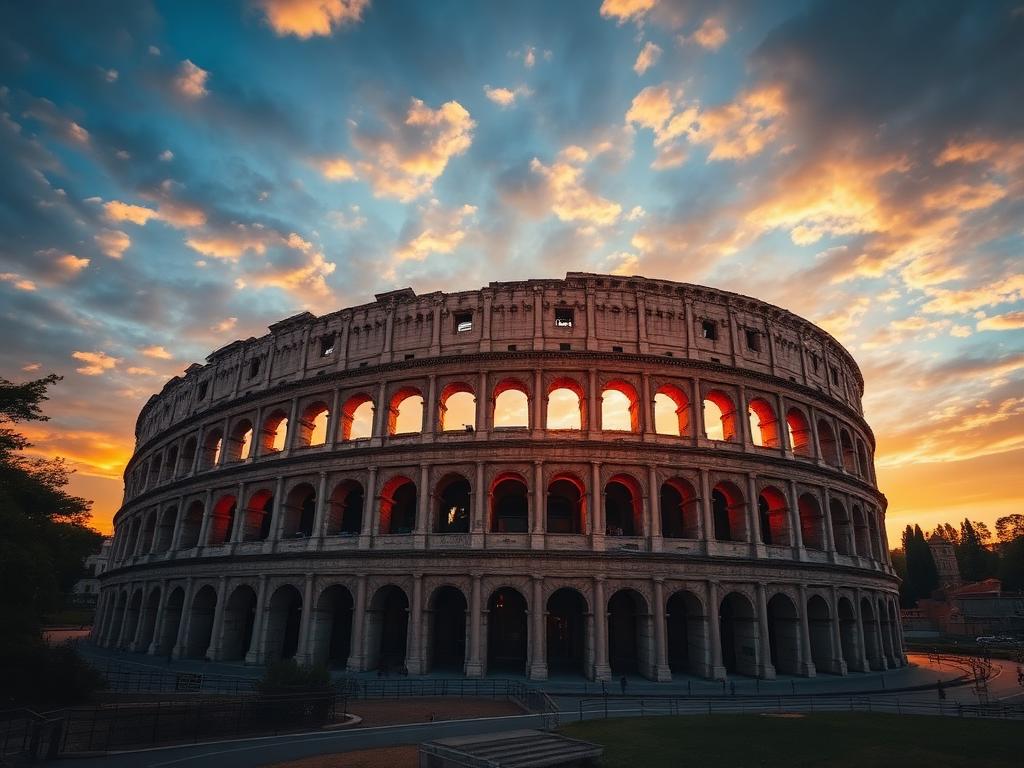
Rome travel guide
An open-air museum you can cross on foot
🇪🇸 Spain
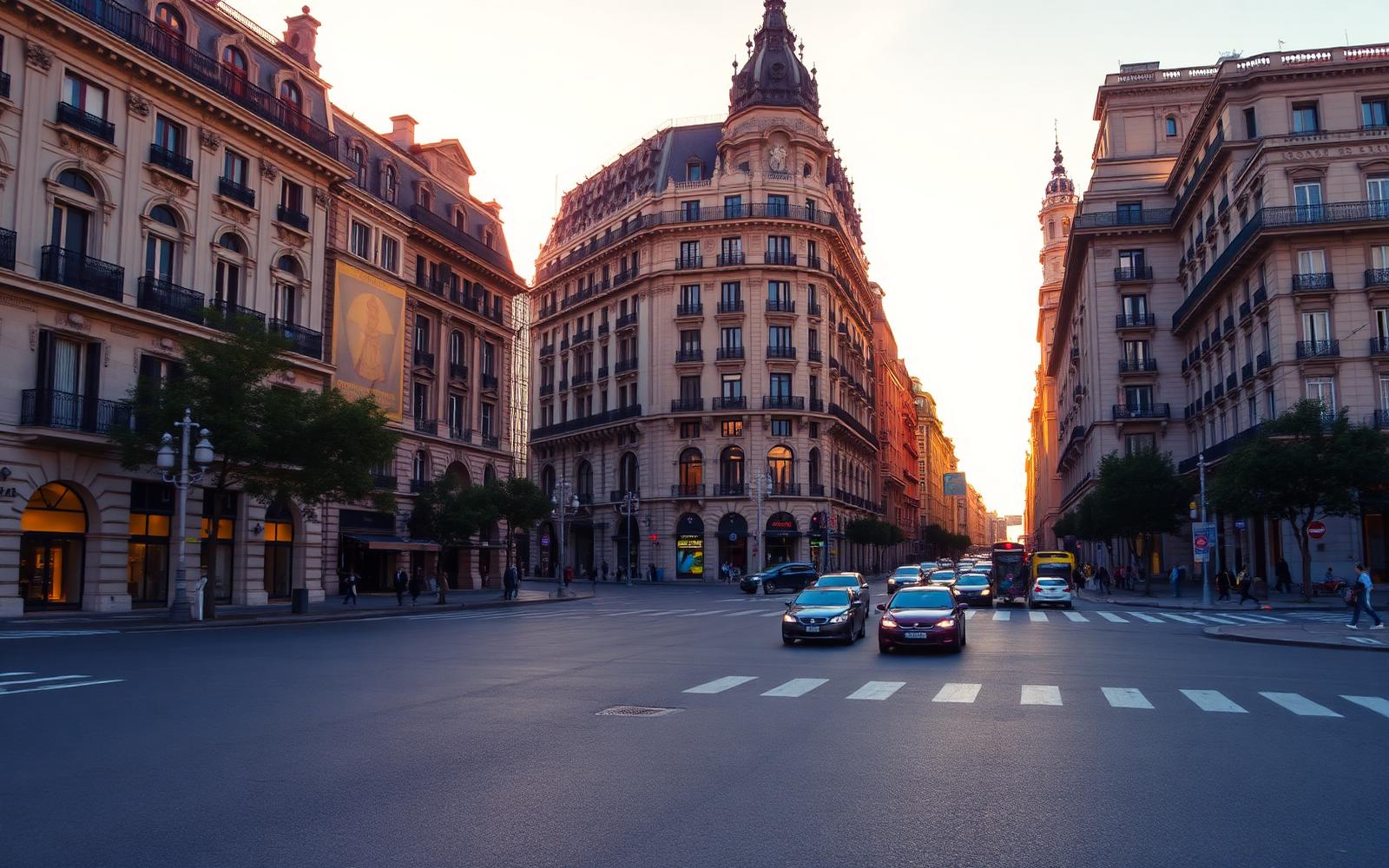
Madrid travel guide
Spain's capital — art, late nights and better value than most of Western Europe
🇪🇸 Spain
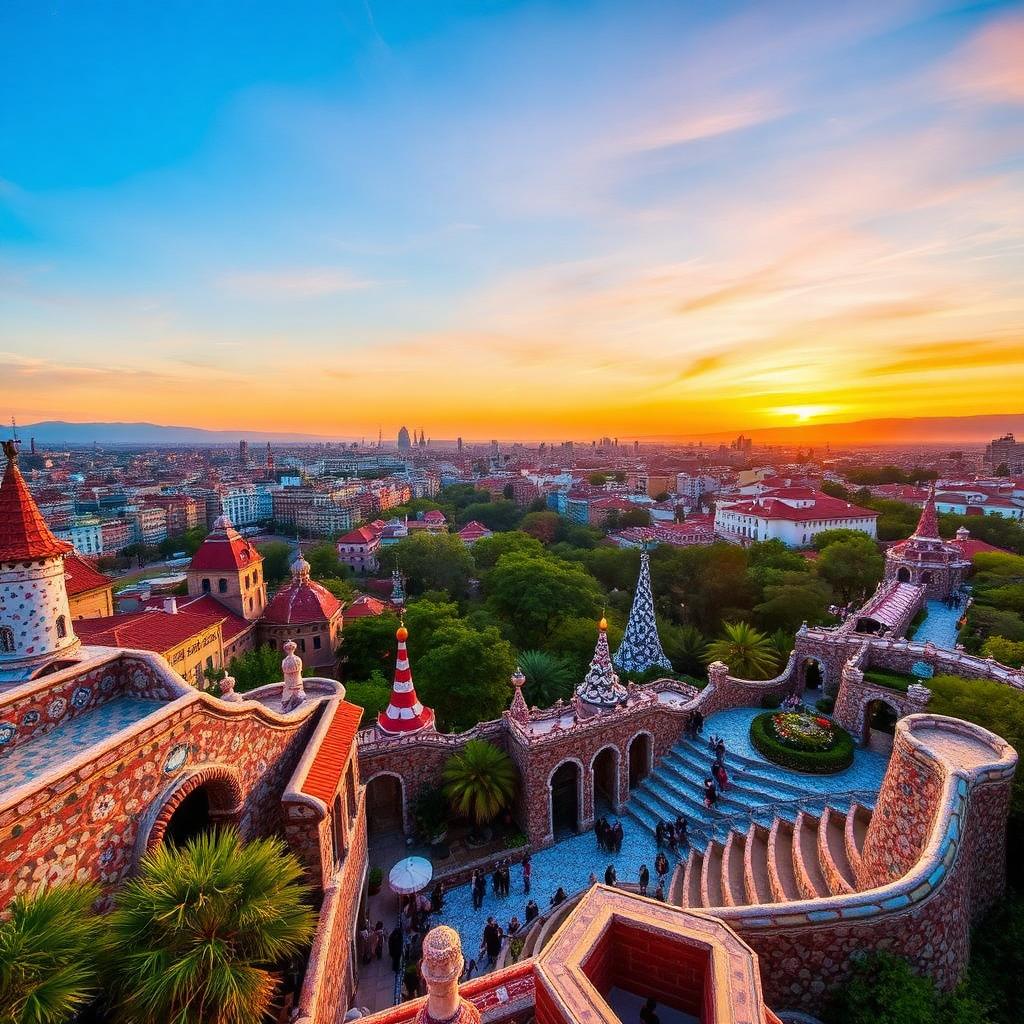
Barcelona travel guide
A beach city and an architecture city in the same four days
Browse all 29 Bemer Travels destination guides, or explore our destinations and travel blog.