
Understand Your Options Before You Fly
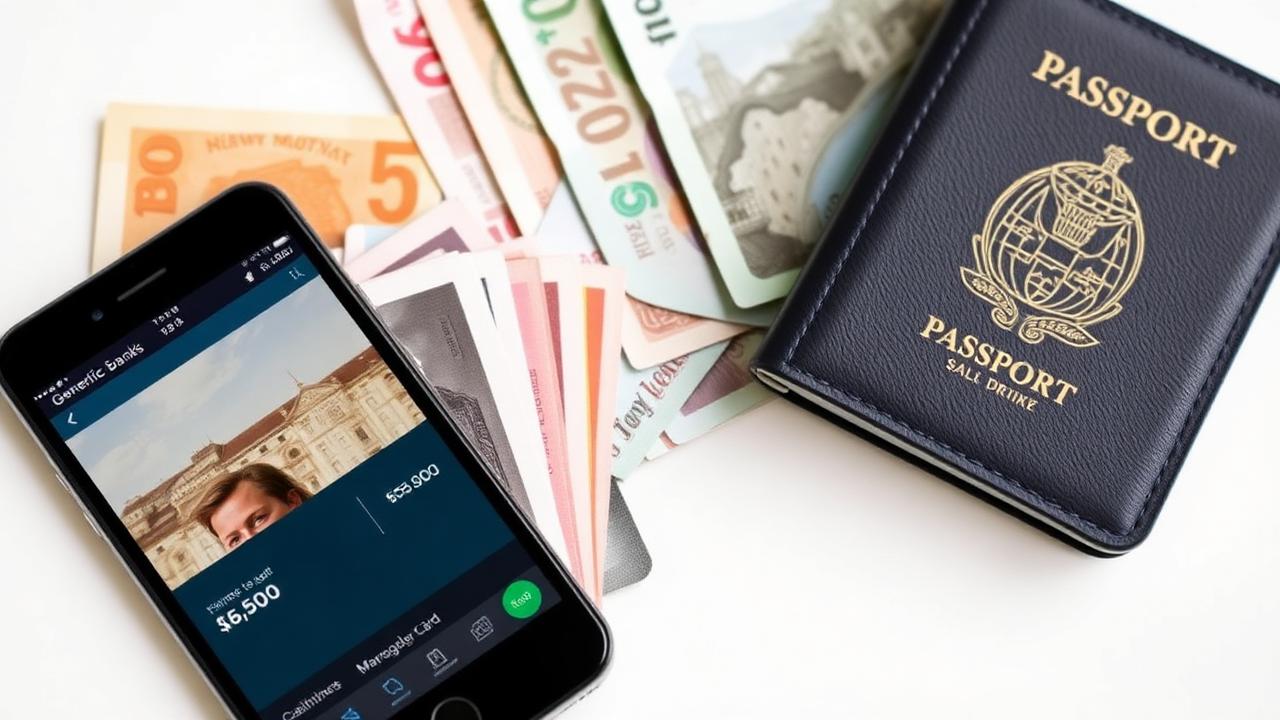
Nigerian travellers typically rely on a combination of domiciliary accounts, prepaid dollar cards, and a small amount of physical cash. Relying on only one method is risky, since ATMs abroad can reject foreign cards without warning and cash can be lost or stolen.
A sensible mix is roughly 60% on a card, 30% as backup cash, and 10% on a secondary prepaid card kept separately from your main wallet.
Domiciliary Accounts and Debit Cards
Most Nigerian banks, including GTBank, Access Bank, and Zenith, offer domiciliary accounts that let you hold and spend dollars, pounds, or euros directly. Confirm your daily spending and withdrawal limits before travel, since these can be lower than you expect, especially for new accounts.
Inform your bank of your travel dates and destinations to avoid your card being flagged and blocked for suspicious activity mid-trip.
Prepaid and Virtual Dollar Cards
Fintech options load a fixed amount of foreign currency that you top up before travelling, which helps you stick to a budget since you cannot overspend beyond what you loaded. These are useful for online bookings like hotels and tours before you even leave Nigeria.
- Compare card issuance and maintenance fees across providers
- Check the FX rate used at loading time versus the parallel market
- Confirm the card is accepted at Visa or Mastercard terminals abroad
- Keep a small buffer loaded for unexpected costs like extra baggage
Carrying Physical Cash Safely
Carry a modest amount of the local currency or US dollars for situations where cards are not accepted, such as small vendors, tips, or rural transport. Split your cash between your wallet, a hidden money belt, and your luggage rather than keeping it all in one place.
Declare any cash amount required by law; many countries require declaration above roughly $10,000, though your actual travel amount will likely be far below this threshold.
Watch Out for Hidden Fees
Foreign transaction fees, dynamic currency conversion at point of sale, and ATM withdrawal charges can quietly add up. Always choose to be charged in the local currency rather than Naira when a card terminal asks, since the merchant's conversion rate is usually worse than your bank's.
- Avoid airport currency exchange counters where rates are poorest
- Withdraw larger amounts less frequently to reduce per-transaction fees
- Track spending using your bank's app to avoid end-of-trip surprises
- Keep an emergency contact number for your bank's international support line
Get the free Pre-Departure Travel Prep Checklist
Everything to sort in the two weeks before you fly out of Nigeria.
We'll email the checklist and occasional travel deals. Unsubscribe anytime.
Planning this trip?
Our Lagos team handles flights, visa assistance, hotels and tours — end to end.
Get a free travel consultationOr see everything we handle for travel from Nigeria.