
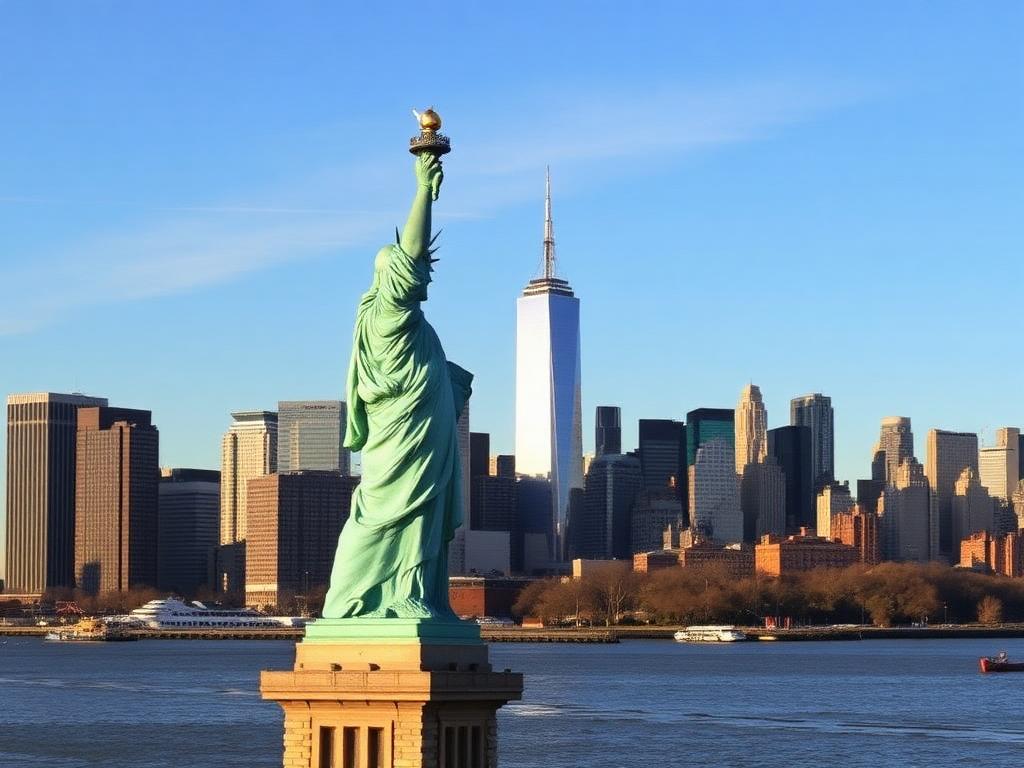
🇺🇸 United States · North America
New York City travel guide
Dense, expensive and unlike anywhere else
Written and last reviewed by the Bemer Travels team on 20 August 2026
New York is the most expensive destination in this guide and the one where planning makes the biggest financial difference. Hotel rates swing enormously by season, attraction passes can either save or waste money depending on your itinerary, and the difference between a good and bad airport transfer is an hour of your life.
It is also compact in a way that surprises people. Most of what visitors want is on Manhattan below Central Park's north edge, plus a few Brooklyn neighbourhoods, and the subway runs all night.
Why visit New York City
- Landmarks that need no introduction — the Statue of Liberty, Empire State Building, Times Square, Brooklyn Bridge, Central Park.
- Museums at the very top tier: the Met, MoMA, the American Museum of Natural History and the 9/11 Memorial Museum.
- Broadway, live jazz and comedy on any night of the week.
- Food from essentially every cuisine on earth, at every price level.
Best time to visit New York City
Late April to June and September to early November
- Spring (April – June)
- Mild, green and pleasant. Our preferred window along with autumn.
- Summer (July – August)
- Hot and humid, with the subway platforms noticeably worse than the streets. Hotel rates soften slightly.
- Autumn (September – November)
- Crisp air, Central Park colour in late October, and the city at its most photogenic.
- Winter (December – March)
- December is festive, expensive and packed. January and February are cold but the cheapest months by a wide margin.
Winter temperatures regularly sit below freezing with wind chill. Travellers from Lagos consistently underestimate this — proper thermal layers, not a fashion coat.
Main attractions in New York City
- Statue of Liberty & Ellis Island
- Book ferry tickets ahead; crown access sells out months in advance. The free Staten Island Ferry gives you a passing view for nothing.
- Empire State Building / Top of the Rock / Edge
- Pick one. Top of the Rock puts the Empire State Building in your photo, which is why we usually suggest it.
- Central Park
- Free, huge and best entered at 59th Street or 72nd Street. Two to three hours on foot covers the highlights.
- The Met
- Vast. Choose two or three wings rather than attempting the building.
- 9/11 Memorial & Museum
- The memorial pools are free and open air; the museum is ticketed and takes about two hours.
- Brooklyn Bridge & DUMBO
- Walk from Manhattan to Brooklyn in the morning light, then have breakfast in DUMBO.
- The High Line & Chelsea Market
- An elevated park on a disused rail line, ending near the market and the Whitney.
- Broadway show
- Same-day discount booths and official digital lotteries can cut prices substantially.
Where to stay in New York City
- Midtown (Times Square, Herald Square)
- Most convenient for first-time sightseeing and transport, least characterful.
- Upper West Side
- Residential and calm, near Central Park and the Natural History Museum. Good for families.
- Chelsea & Flatiron
- Our usual recommendation for a second visit — central, walkable, better restaurants.
- Lower Manhattan / Financial District
- Strong weekend hotel value because it empties out, well connected by subway.
- Brooklyn (Williamsburg, DUMBO)
- More space for the money and a better local scene, at the cost of 20-30 minutes to Midtown.
Getting around and airport transfers
- The subway runs 24 hours. Tap a contactless card or phone at the turnstile (OMNY) — fares cap automatically after a set number of rides in a week.
- JFK connects via the AirTrain to the subway or Long Island Rail Road; the LIRR is much faster to Midtown. Newark uses the AirTrain plus NJ Transit. LaGuardia has no rail link — bus or car only.
- Yellow cabs from JFK to Manhattan run on a flat fare plus tolls and surcharges. Ride-hailing is sometimes cheaper, sometimes not.
- Manhattan is a grid and very walkable: 20 north-south blocks is about a mile.
- Do not rent a car for a New York city trip. Parking alone can exceed the rental cost.
Need a vehicle at the other end? Our car rental page explains how driver requirements, deposits and insurance excesses usually work abroad.
Choosing a hotel
- Rooms are small and hotel taxes and fees add roughly 15-20% on top of the quoted rate. Compare final totals, not headline prices.
- Many hotels charge a mandatory daily 'destination' or 'facility' fee that does not appear until checkout. Check for it before booking.
- Rates swing hugely by week. Moving a trip from early December to late January can halve the hotel cost.
- For families, an apartment-style hotel or a suite is usually better value than two rooms.
We can shortlist properties against your budget and travel dates — see how our hotel booking service works.
Tours and activities worth booking
- Attraction passes (CityPASS and similar) only save money if you will genuinely use four or more of the included sites. Do the arithmetic against your actual list.
- A guided walking tour of Lower Manhattan or Harlem adds far more than another observation deck.
- Book Statue of Liberty ferries, the 9/11 Museum and any Broadway show before you arrive.
- Day trips to Washington DC or Niagara Falls are long — better as a separate leg than a day return.
Browse New York City tours and experiences, or tell us what you want to see and we will build the day around it.
Visa information for United States
Nigerian passport holders need a US visitor visa (B-1/B-2)
The US visitor visa process involves an online DS-160 application, a fee payment, and an in-person interview at the US Embassy in Abuja or the Consulate in Lagos. Interview appointment waits can be long and vary considerably through the year, so this is the part of a US trip that needs the earliest start.
Officers assess whether you intend to return to Nigeria. Strong, consistent evidence of employment or business, property, family ties and a coherent travel purpose matters more than a large one-off bank balance. Sudden unexplained deposits are counterproductive.
Bemer Travels helps with itinerary planning, hotel and flight documentation and preparation for the process. We are not immigration advisers and cannot influence the consular decision.
Families, couples and solo travellers
- First-time visitors
- Five to six nights. Midtown base, one observation deck, two museums, one Broadway show, one Brooklyn day.
- Families
- Upper West Side. The Natural History Museum, Central Park, the Intrepid and a ferry ride cover most ages without exhausting anyone.
- Couples
- Chelsea or the West Village, a jazz night in Greenwich Village, and sunset from a rooftop bar.
- Shopping trips
- Herald Square and Fifth Avenue for department stores; Woodbury Common outlets are a 90-minute coach ride away.
Tips for first-time visitors to New York City
- Sales tax is added at the till, not shown on the shelf price. Clothing and footwear under a set amount are exempt in NYC.
- Tipping is expected: 18-20% in sit-down restaurants, and a couple of dollars for taxi and hotel staff.
- Free public restrooms are scarce. Use museums, department stores and hotel lobbies.
- Walk on the right and do not stop suddenly on a busy pavement.
- Bring or buy a transit-friendly bag; the subway involves stairs everywhere.
Common mistakes to avoid
- Booking three observation decks. One is enough for almost everyone.
- Assuming the hotel quote is the final price — taxes and resort fees are significant.
- Underestimating travel time from LaGuardia in rush hour.
- Leaving the visa interview appointment to the last two months before travel.
- Packing for 'cold' rather than for actual freezing conditions in a December or January trip.
What things typically cost
- Mid-range hotel, per night
- $220-$400 before taxes and fees; higher in December, much lower in late January.
- Subway
- A flat fare per ride with an automatic weekly cap using OMNY contactless.
- Casual meal
- $18-$30 per person plus tax and tip.
- Observation deck
- $40-$70 depending on the building and time slot.
Indicative planning ranges only. Actual prices move with season, exchange rates and availability — ask us for a current quote for your dates.
FAQs
New York City travel FAQs
How many days do I need in New York?
Five to six nights for a first trip. Fewer than four and you spend most of the time in transit and queues.
Is the subway safe?
Generally yes, including at night on busy lines, but stay in populated cars, keep your phone away from doors, and use ride-hailing late at night if you are unsure.
Should I buy a city pass?
Only if you will use four or more included attractions. For a museums-and-walking trip, pay as you go.
What is the cheapest time to visit?
The second half of January through February, excluding public holiday weekends.
Planning a trip to New York City?
Tell us your dates, budget and who is travelling. We will come back with flight options, a shortlist of hotels that fit, and a realistic visa timeline — no obligation.
More travel guides
🇨🇦 Canada
Toronto travel guide
Canada's most international city, and the easiest base for Niagara

🇫🇷 France
Paris travel guide
Museums, boulevards and an approachable first city in Europe
🇬🇧 United Kingdom
London travel guide
Familiar, direct from Lagos, and far bigger than it looks
Browse all 29 Bemer Travels destination guides, or explore our destinations and travel blog.